It’s no secret that decision-making, from everyday operational choices to long-term strategy, relies heavily on data. However, not all data is created in the same way, and that’s why companies use different data systems like Enterprise Resource Planning (ERP) to support decision-making at different levels. In this post, we’ll explore how food businesses leverage this systems to drive more informed and strategic decisions.
Data and decision-making
Most companies nowadays work with data systems like SAP and PowerBI to manage and visualize data. These systems facilitate decision-making processes, but their uses varied widely depending on their particular use. For example, a plant manager needs to track daily production and live performance metrics were essential to their day-to-day. In contrast, the marketing director commonly requests long-term data trends for duties like evaluating next year’s advertising strategy. In this way, the uses of data looked very different for each department and job position.
To break it down, business decisions generally fall into three categories: operational decisions which require real-time data to keep business processes running efficiently; tactical decisions which involve short-term planning and rely on recent historical data to optimize strategies and improve performance; and finally, strategic decisions which respond to long-term growth and depend on aggregated data to guide major business shifts. Did you know that with an ERP, you can extract data for all of these uses in one place? Let’s see how.
The magic of an ERP
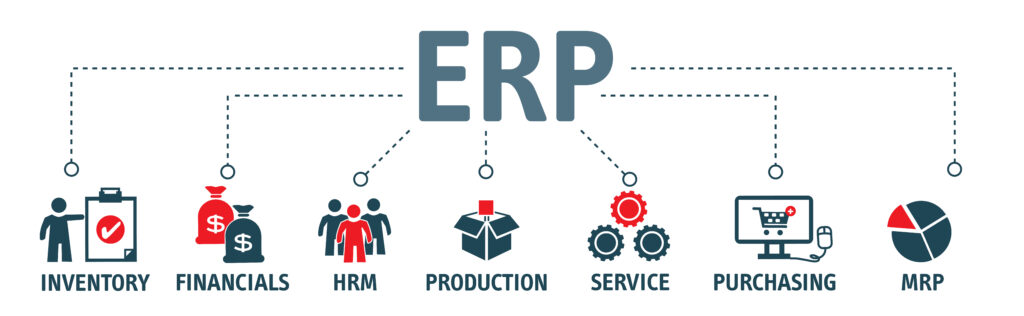
Perhaps a common name you have heard among businesses is an ERP, and this is because they are used in day-to-day decisions. But, what is it? An Enterprise Resource Planning or ERP in short is a software system like SAP and Oracle which integrates live data from across the company. Think about a software that stores inventory levels, production rates, sales figures, and more. For various companies, ERP data is critical for managing supply chains as it allows to access real-time stock levels, track warehouse inventories, manage prices for different clients, track recent sales and so much more. This system requires a big investment but provides a successful integration of various processes within an organization to make all areas like logistics, marketing, sales, finance, accounting and management teams to work with accurate and accessible data throughout the organization.
Final thoughts
Making the right business decisions isn’t just about having data but also about knowing which type of data to use at the right time. In that sense, an ERP is an excellent tool to integrate different types of data and ensure accessibility to various teams which can be instantly updated. If you have the chance to work with an ERP, it’s worth leveraging all its benefits and integrations to make the most informed decisions across all levels of the organization.