As with any marketing tool, relying on them in isolation can lead to incorrect conclusions, and experimentation is no exception. As Suraj Bansal from Medium wisely pointed out, “A/B testing isn’t foolproof.” Even with the best intentions, testing can go wrong without careful planification and analysis. In this post, we will explore three common mistakes in experimentation, particularly related to the Food & Beverage industry.
Mistake #1:Lack of Factor Isolation
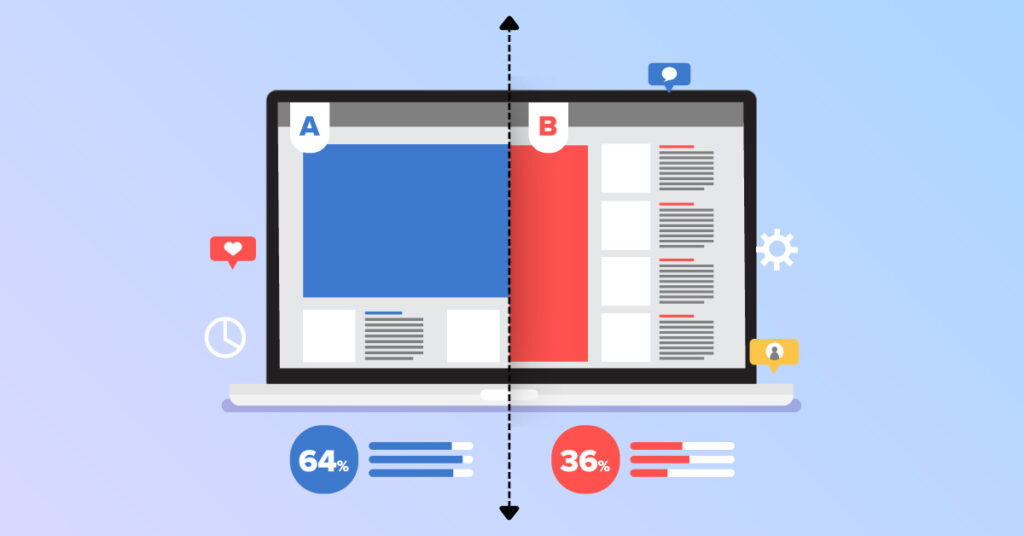
Perhaps the fastest way to derail your experiments is by overlooking the basics of science, which says that to to figure out a clear cause-and-effect relationship, you need to keep all variables constant same except for the one factor you’re testing. Put in simple words, when running A/B tests, make sure you’re comparing apples to apples by focusing on one variable at a time, and avoid trying to measure multiple things at once.
Testing in Real Life
When I worked for Rich’s Products, we implemented POP advertising in supermarkets to promote in-store bakery products, aiming to boost demand and increase purchase orders. A/B testing played a crucial role in determining when and where to allocate resources. We tested individual factors like the best time of day for activations, which location converted the most, and which days were busiest for sales. However, testing multiple factors at once can distort results. For example, testing time of day and promotional offers together could lead to confusion about whether the sales spike was due to timing or the discount, resulting in inaccurate conclusions and misallocated resources.

Mistake #2: Generalizability
When a test is successful, it can be exciting and encouraging… I’ve been there! However, it’s important to remember that one test doesn’t determine the success of a strategy. A single test, with one set of conditions and one target audience, isn’t representative of the entire market, which is why reproducibility is crucial. By comparing results from repeated tests with controlled variables, you gain much more confidence in your conclusions, making the insights reliable for decision-making and resource allocation while reducing risk.
For example, during my time at Rich’s, we held a highly successful event for our top distributors. Despite its success, we couldn’t assume the same program would work for other segments. What one group values, another might not. Even further, just because this event went well didn’t mean future ones would be equally successful—perhaps attendees showed up for the novelty, and they might not return next time. We couldn’t generalize the results based on a single success, though it did suggest we were likely on the right path.
Mistake #3: Running Tests Quickly
Building on Mistake #2, I’ve found that in my experience, it typically takes around three months of consistent testing to identify reliable patterns and draw valid conclusions in non-digital environments. When experimenting with marketing initiatives such as POP advertising, PR events, or pricing strategies, these efforts should run for an extended period to gather enough data for a historical analysis. This allows you to detect patterns, trends, anomalies, and valuable insights that may emerge over time.
Additionally, running tests too quickly can prevent a marketing initiative from reaching the level of maturity it needs to be fully effective. For example, as I mentioned in my previous post about the power of word-of-mouth (WOM) in driving business, WOM tends to generate sales more gradually and over time, meaning that cutting a test short may overlook its long-term impact, leading to an incomplete understanding of the results.
Final Thoughts
To get the most out of A/B testing, avoid the biggest pitfalls: test one variable at a time, give it the time it needs, and never rush the results… your insights will thank you!