While in-store purchases are crucial for restaurants, allowing strategies like upselling, bundling, and promoting seasonal items, your online presence is much more than a nice-to-have—it’s a critical part of your business that can contribute significantly to your revenue.
But what do you do when your website is live, and the conversions aren’t meeting your expectations? In this post, we will explore how A/B testing might be the key to discovering the winning formula for your restaurant’s website.
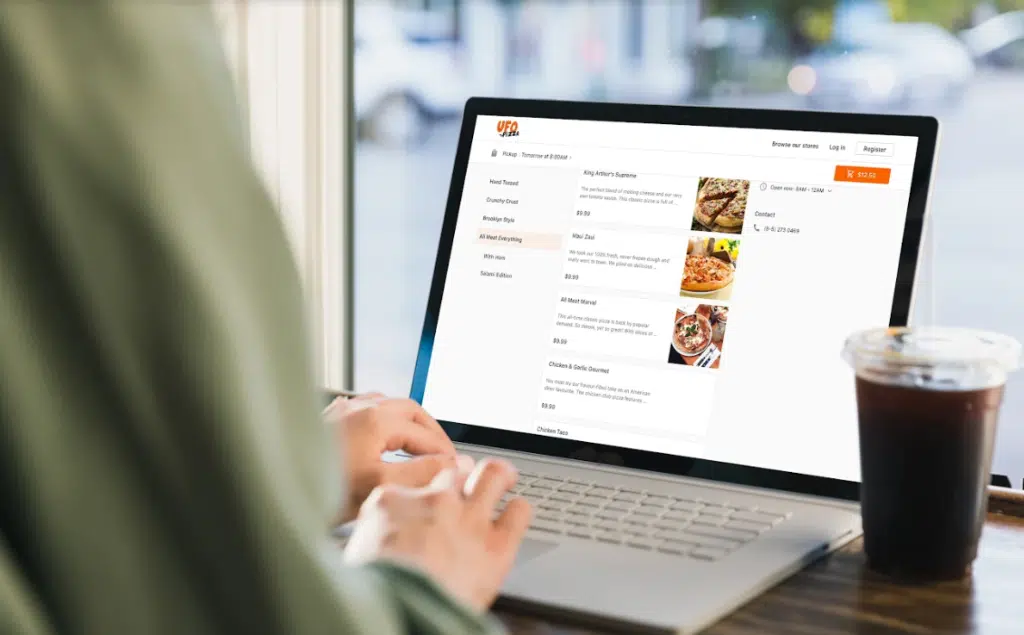
Unlock Your Website’s Potential
When it comes to web design, there are no set rules for the look and feel. Every business has its own unique appeal, attracting a specific audience in a specific location, which means what works for your restaurant may not work for the one next door. That is why it’s essential to regularly assess your website’s performance and constantly ask: “how can I improve this?”
The challenge in optimizing a website lies in discovering what to change for better results. This includes asking questions like: “how can I make my website more effective for my audience—or even for new segments?” and “what’s already working and should stay as is?” In order to truly understand which elements are working and which aren’t, A/B testing becomes essential. With enough data to guide you, A/B testing can help you fine-tune the details that ultimately drive conversions higher.
Design Tests That Deliver Results
To understand what needs iteration, start by identifying where conversions are dropping in your website. Is it between the homepage and the menu page? Or are visitors leaving before completing their order? With this information, attempt to change one variable of your page to see how this change impacts conversion.
For example, if visitors are bouncing from your homepage, you can try running tests with your hero image. On the other hand, if your brand isn’t well known but has great reviews, consider bringing those reviews front and center as trust symbols. By running A/B tests like this, you can effectively optimize your restaurant website for better conversions and gain insight into what works and what doesn’t.
Key Elements to Test Right Now
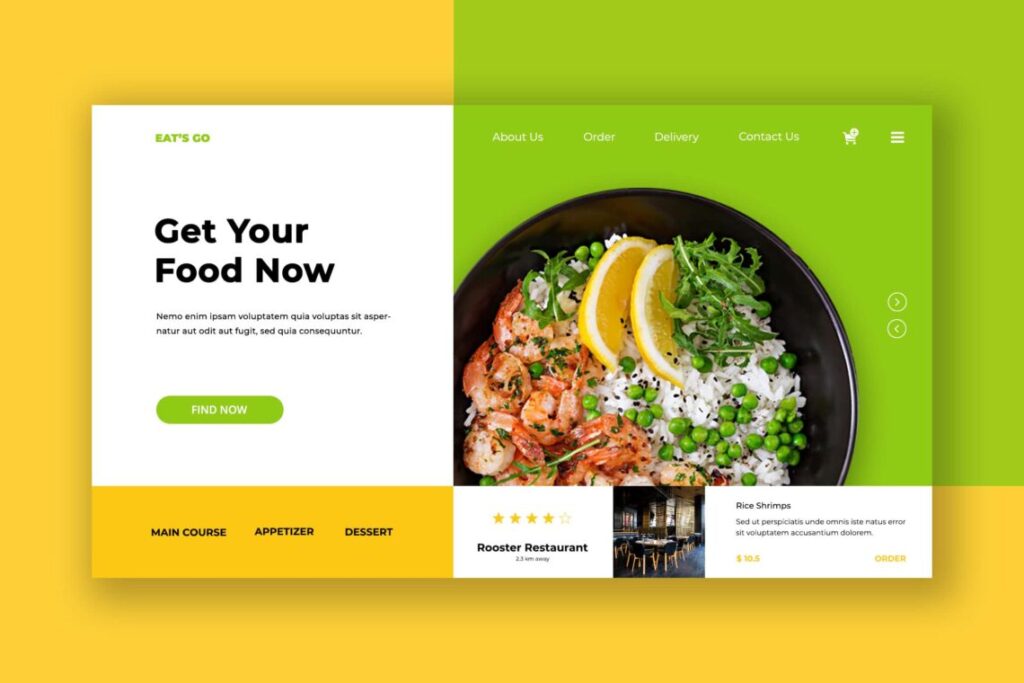
Given that food is a visual experience, the visual components in your website are crucial. In that sense, if your homepage is a bottleneck in your online funnel, start by testing impactful elements above the fold. Here are three key elements to test today:
Hero Image: This is the first thing visitors see when they land on your page. This can make or break a visitor’s decision to stay and explore. Ensure it’s visually appealing, well-composed, and optimized for all devices (mobile, tablet, desktop).
Headlines: The right headline pulls everything together. Make sure it matches your branding and resonates with what your customers are searching for—whether it’s your dining options or your café’s routine appeal.
CTA Buttons: Call-to-action buttons are one of the most important elements of your website because they tell visitors exactly what you want them to do next. Experiment with different wordings, colors, or placements to guide your audience toward conversions.
Do’s and Don’ts of A/B Testing
- Do start with insights. Use analytics to understand what’s working and what’s not before you dive into testing. Prioritize areas that need the most attention, form hypotheses, and test from there.
- Don’t test elements that won’t move the needle. Focus on components that impact conversion, like hero images, CTA buttons, forms, and even your navigation menu.
- Do test one element at a time. Changing too many things at once will make it hard to know what’s driving the results. A/B testing takes patience, but it’s one of the most effective ways to optimize your website.
- Don’t jump straight to a full redesign if you’re not seeing the results you want. Unless your website is not following the conversion-centered design principles, redesigning may not be the answer as you might end up losing valuable insights on what’s actually working.
Final Thoughts
Optimizing a website is an ongoing journey, not a one-time task. To boost profitability, you must continuously refine and improve your site’s ability to convert visitors into customers. In addition, as your product offerings change and consumer preferences shift, your website must evolve with them. In essence, whether you’re a web-only restaurant or a business with a physical location, regularly reviewing and optimizing your site will keep you ahead of the curve and on the path to higher conversions.