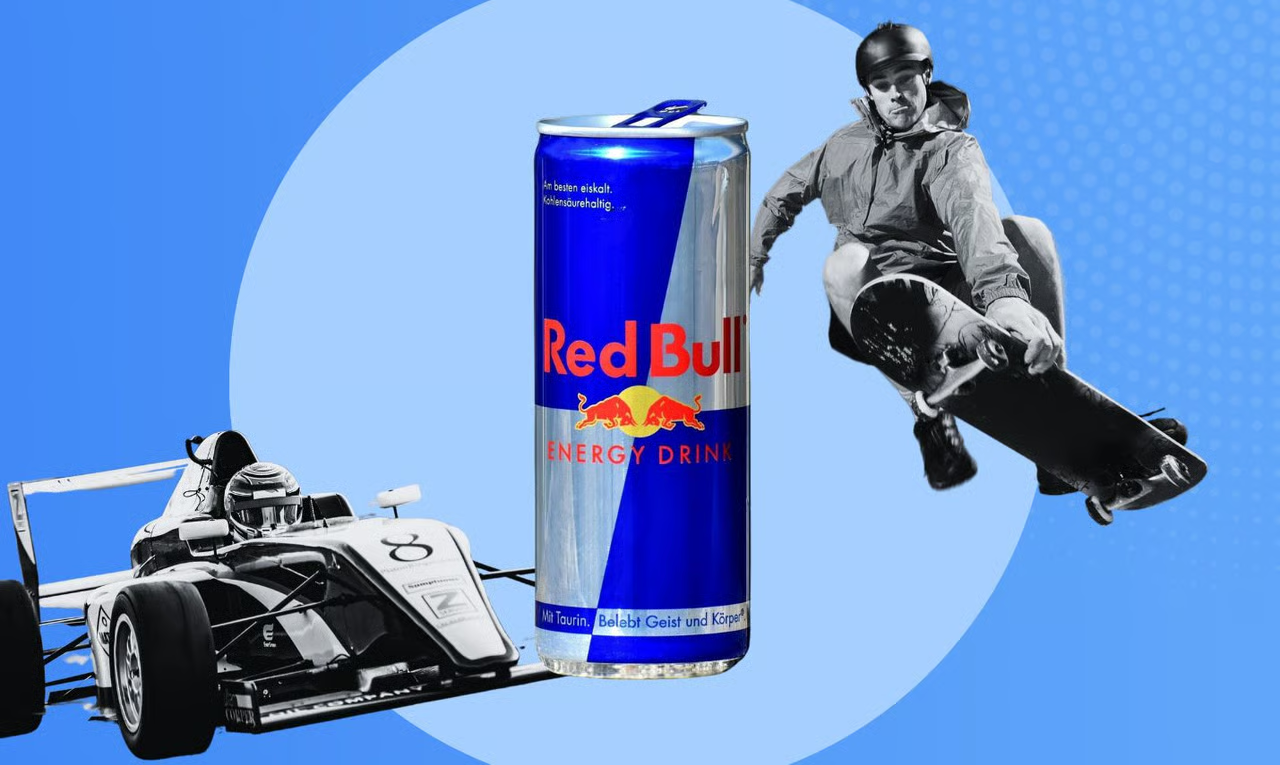
The other day, I came across a phrase: “It’s not just about being the best, it’s about being the most recognized.” In a world overflowing with options, having the highest quality product alone doesn’t guarantee success—what truly matters is how many people know and remember your brand. But, is the impact of word-of-mouth really that significant?
Let’s start with the premise that reaching the broadest possible audience should be a key objective for any company. The more people who are aware of your brand, the greater the chance of attracting potential customers. However, in a saturated market like the Hospitality industry, sheer reach isn’t always enough. Word-of-mouth has emerged as a vital tool for standing out and significantly influencing purchase decisions. As marketing expert Philip Kotler wisely said, “word-of-mouth is the new definition of loyalty.”
When a happy customer recommends your brand to a friend, then their parents, and then a cousin, it creates a ripple effect that promotes your business without direct effort—often before you even realize it.

Word-of-mouth generates more qualified leads who are ready to buy because your advocates have already helped them overcome doubts, making them more open to building trust with you.
Why does online word-of-mouth work?
It’s ironic, but we often trust comments from strangers more than messages from big corporations. This occurs because many consumers are skeptical of traditional advertising, leading them to rely on public sentiment. They sift through reviews, social media posts, and real-life experiences shared by others before making a purchase, all because the collective voice of customers feels more authentic, making it a trusted source for decision-making.
Selina’s word-of-mouth success
A few years ago, I worked for Selina Hotels, a global hospitality brand that offers accommodations specifically designed for millennial and Gen Z travelers. After the IPO in October 2022, CEO Rafael Museri gave an interview where he was asked, “What is the key to getting people on board?”. He highlighted that over 30% of their business comes from repeat customers, emphasizing that ‘word-of-mouth is always going to be the strongest form of marketing for them.
Their locations are often packed due to live events focused on wellness, music, and activities like surfing and hiking. However, when opening a new location, customer acquisition costs (CAC) tend to be high. But once word-of-mouth kicks in—whether through personal recommendations, positive reviews on Yelp and Google, or social media posts about great experiences—the momentum builds.
As we’ve explored, word-of-mouth is one of the most effective forms of marketing. Its power comes from its authenticity—there’s no paid promotion or corporate push, just genuine experiences shared by real people and this is what captures human trust. When customers voluntarily recommend a product or service, it feels organic and sincere, making it far more impactful than traditional advertising, and fostering deeper connections and lasting loyalty.